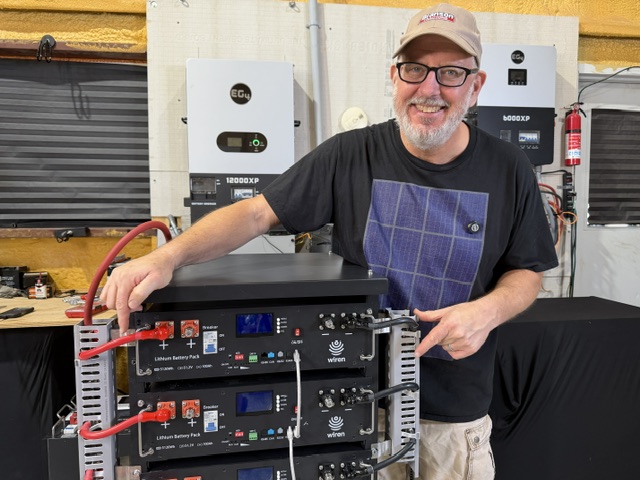
What UL Listings Really Mean for Your Solar System
If you’ve started researching an off-grid or grid-tied solar system, it probably didn’t take long before you ran into an alphabet soup of certifications and standards: UL 1973, UL 9540, UL 9540A, UL 1741, UL 1699B, IEEE 1547 and more.
It can be confusing, especially when a piece of equipment is advertised as “UL Listed.” It’s easy to assume that means you can buy it, install it and expect it to pass inspection.
Unfortunately, it isn’t always that simple.
A battery certification is not necessarily a certification for your entire energy-storage system, and requirements can vary depending on where you live. The equipment approved in one jurisdiction may not be approved in another.
Before spending thousands of dollars on solar equipment, it pays to understand what these certifications mean—and, just as importantly, what your local inspectors require.
Start With the AHJ
One of the most important terms to learn when planning a solar installation is AHJ, or Authority Having Jurisdiction.
Your AHJ may include your local building department, electrical inspector, fire marshal or another local authority responsible for enforcing the codes that apply to your installation.
This matters because national standards are only part of the picture. Your local jurisdiction determines which codes have been adopted and how they are enforced.
That means the question isn’t simply:
“Is this equipment UL Listed?”
A better question is:
“Will my AHJ approve this equipment and this particular system configuration?”
Understanding Battery Certifications
Three numbers frequently appear when researching solar batteries: UL 1973, UL 9540 and UL 9540A.
Although they sound similar, they mean very different things.
UL 1973: Battery Safety
UL 1973 applies to the battery or battery subsystem itself.
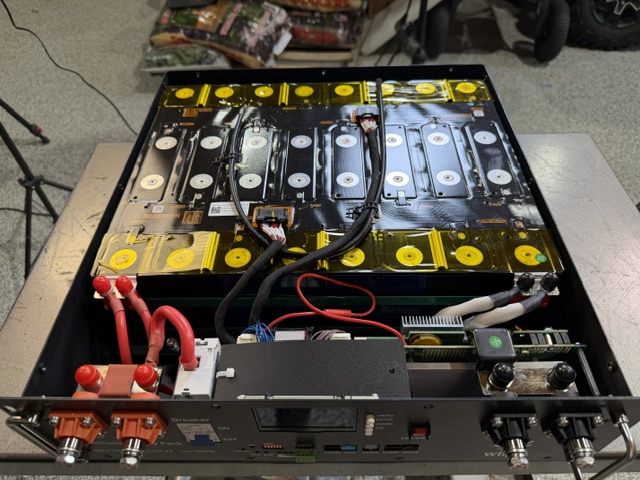
Testing evaluates things such as the battery cells, battery-management system (BMS) and enclosure under a variety of electrical, mechanical and thermal conditions.
The important distinction is that UL 1973 addresses the battery—not necessarily the complete solar energy-storage system.
UL 9540: Energy Storage Systems
UL 9540 addresses energy-storage systems (ESS).
This is where compatibility between components becomes especially important. You cannot assume that because a battery has one certification and an inverter has another, the two automatically constitute an approved energy-storage system.
Manufacturer documentation, the conditions of the equipment listings and your AHJ’s requirements all matter when determining whether a particular battery-and-inverter combination is acceptable.
UL 9540A: Fire Testing
This one causes a lot of confusion.
UL 9540A is a test method, not a product certification.
It evaluates fire and thermal-runaway behavior of battery energy-storage systems. The resulting information can be used by fire officials and others when determining installation requirements such as battery placement and separation.
So when you see “9540A tested,” don’t assume that means the equipment has received a UL 9540 system listing.
What About the Inverter?
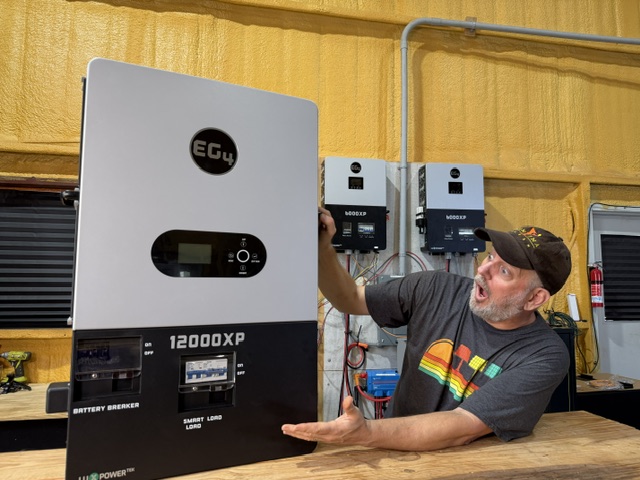
The inverter is another critical part of the system.
Solar panels produce DC electricity, while most household electrical systems use AC electricity. The inverter handles that conversion and, depending on the system, may also manage batteries, charging and interaction with the utility grid.
Two standards you may encounter are UL 1741 and UL 1699B.
UL 1741
UL 1741 is an important standard for inverters, converters, controllers and interconnection-system equipment.
Among other things, it addresses electrical and operational safety requirements. Modern inverter requirements can also include grid-support functions associated with standards such as UL 1741 SA and SB.
This becomes particularly important for grid-connected or hybrid systems because utilities may have specific requirements for equipment that can interact with their electrical grid.
UL 1699B
UL 1699B relates to DC arc-fault circuit protection.
A damaged wire, loose connection or other problem on the DC side of a solar system can potentially create an electrical arc. Arc-fault detection is designed to recognize dangerous conditions and interrupt the circuit.
UL Isn’t the Only Testing Laboratory
Here’s another point that can cause confusion when shopping for equipment: UL is both associated with standards and is also a testing/certification organization.
You may therefore encounter equipment marked ETL Listed to UL 1741 rather than bearing the familiar UL mark.
ETL, operated by Intertek, and UL are both Nationally Recognized Testing Laboratories (NRTLs). A product can therefore be evaluated by an NRTL against the requirements of a UL standard. The important thing is to verify the specific model and applicable listing, rather than assuming that only equipment bearing the UL organization’s own mark can meet a UL standard.
The National Electrical Code Matters Too
Equipment certifications are only one piece of the puzzle.
Your installation may also have to meet requirements of the National Electrical Code (NEC). Depending on the NEC edition adopted in your area and the characteristics of your system, requirements can address areas such as:
- DC arc-fault protection
- rapid shutdown
- ground-fault detection and interruption
- wiring and disconnects
- equipment placement and installation
This is another reason to contact your local authority before purchasing equipment. Different jurisdictions may be operating under different editions of the NEC or have additional local requirements.
Grid-Tied Systems Add Another Layer
If your solar system connects to the utility grid—even if it only does so under certain conditions—you may also have to satisfy the utility company’s interconnection requirements.
Standards and rules such as IEEE 1547, California Rule 21 and other regional requirements govern how distributed-energy equipment interacts with the electrical grid.
Your utility may also maintain an approved equipment list.
So an inverter that appears perfect for your system technically may still create problems if it doesn’t meet your utility’s requirements for interconnection.
Before You Buy Solar Equipment
This may be the most important part of the entire discussion.
Don’t buy first and investigate permitting later.
Before purchasing major components for an off-grid, hybrid or grid-tied solar system:
- Identify your AHJ. Find out which building department, electrical inspector and/or fire marshal has authority over your installation.
- Ask which NEC edition your jurisdiction has adopted.
- Find out what listings or certifications your AHJ requires for the battery, inverter and complete energy-storage system.
- If the system will connect to the grid, contact your utility and obtain its current interconnection and approved-equipment requirements.
- Verify the exact equipment model numbers and certifications. Don’t rely solely on an online product description or sales listing.
- Confirm battery/inverter compatibility with the manufacturers’ documentation.
- Ask about fire-code and battery-location requirements before deciding where your batteries will be installed.
The original video checklist makes the same point: identify the AHJ and applicable NEC edition, confirm the required energy-storage-system listing, check utility interconnection requirements and obtain applicable fire-test documentation before purchasing the equipment.
The Bottom Line
Solar certifications can look intimidating, but you don’t have to memorize every UL number or section of the electrical code.
What you do need to understand is that no single certification tells you everything you need to know about an entire solar installation.
A battery may be properly listed. An inverter may be properly listed. But the way those components are combined, installed and connected still matters.
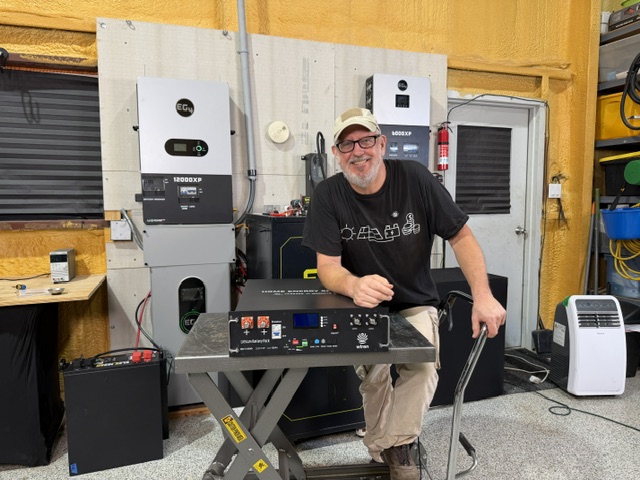
For us at Terra Hill Farm, learning how these pieces work together is part of becoming more knowledgeable and self-sufficient with our own energy system.
And perhaps the most valuable lesson is one that can save a DIY solar owner a very expensive mistake:
Check with your local AHJ before you buy the equipment—not after it arrives.